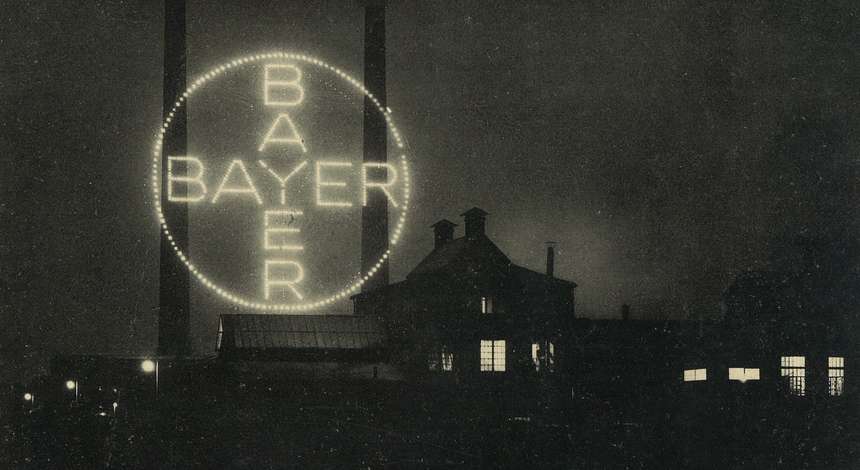
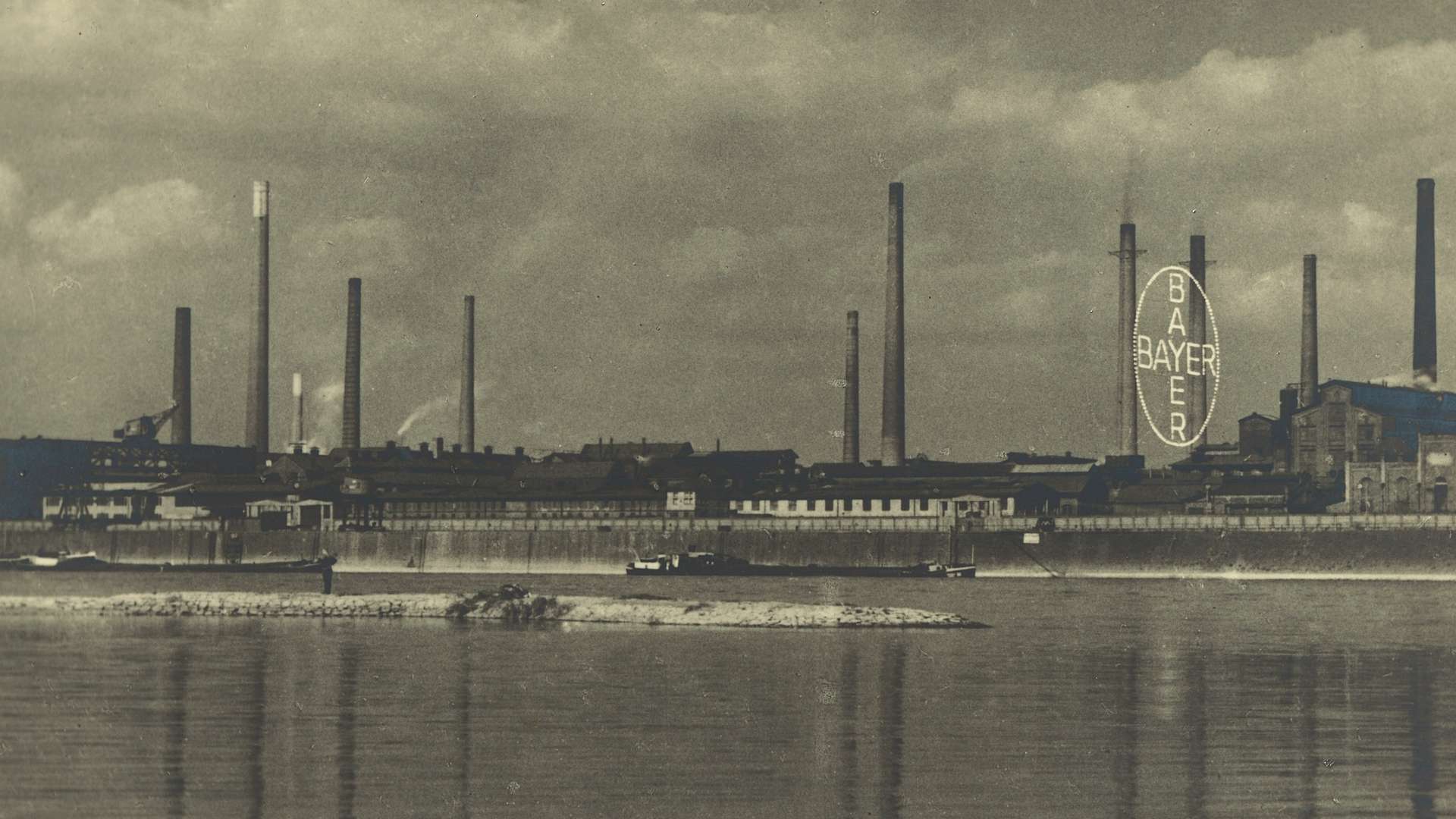
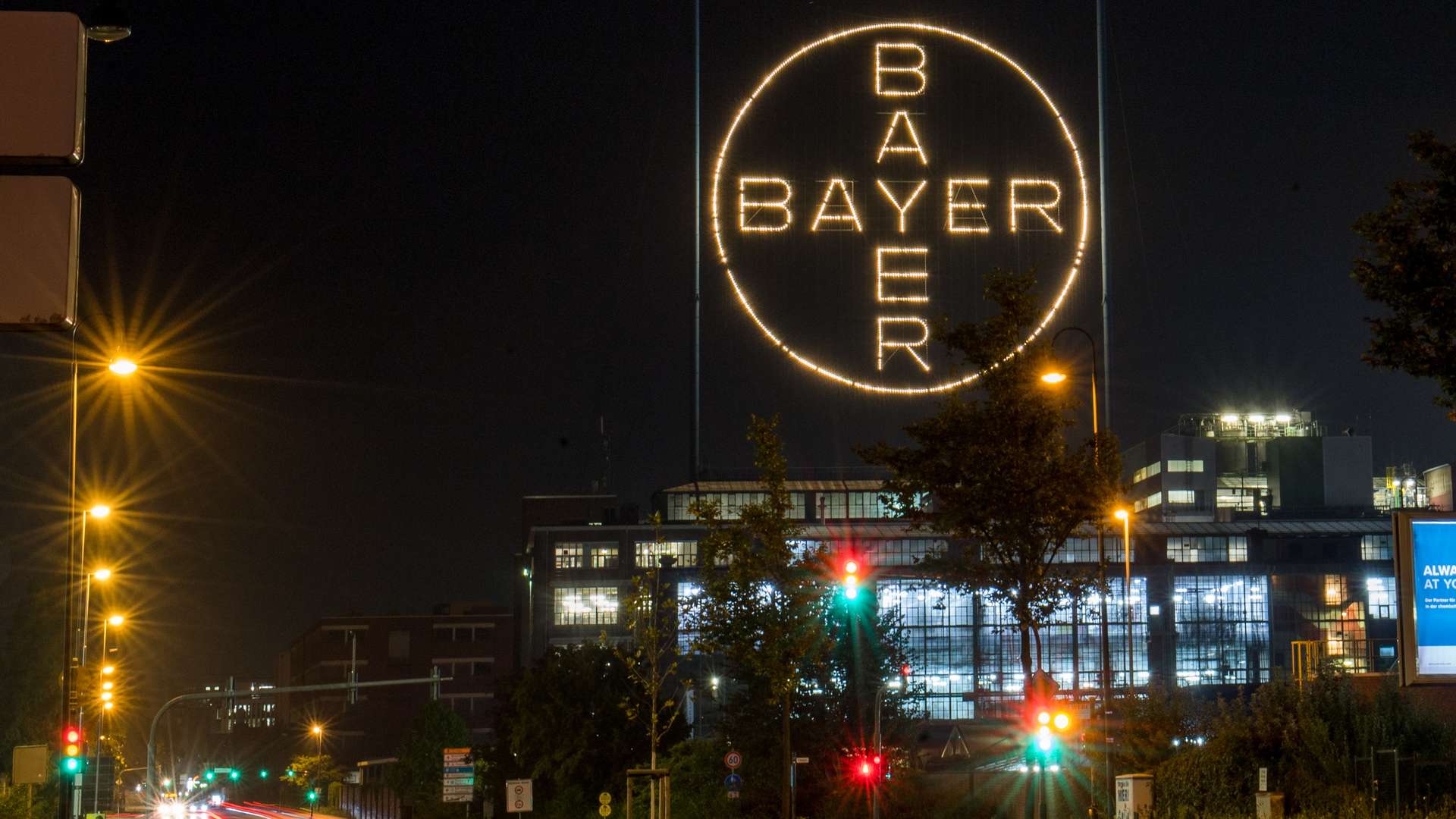
It was designed as a flashing sign: The circle is initially visible and then the letters in the cross are switched on. The whole thing is repeated after a blackout phase.
The Bayer Cross was switched off at the outbreak of war in 1939 due to the lighting regulations and was then dismantled. For the next 19 years there was darkness over the Works.


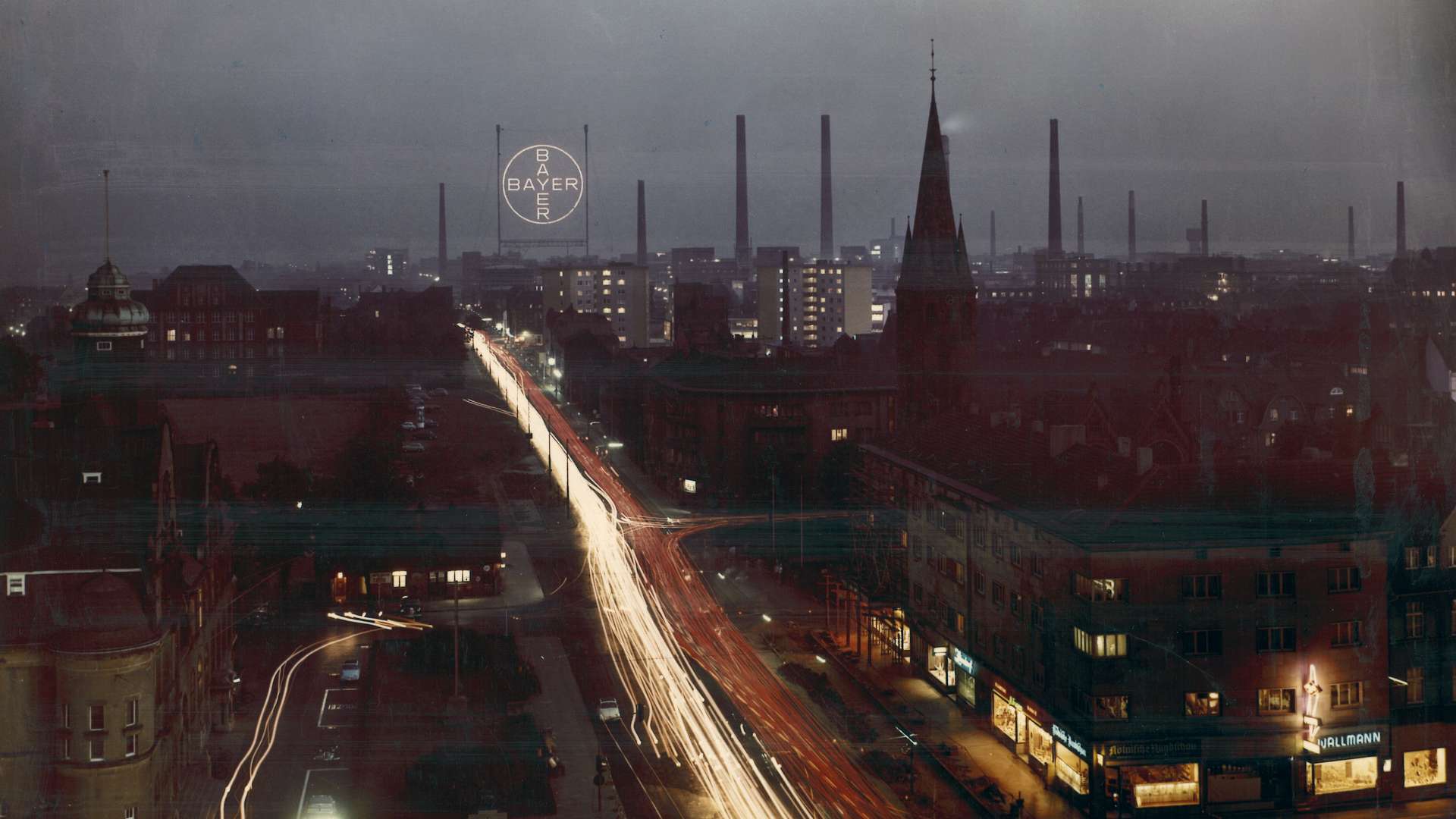
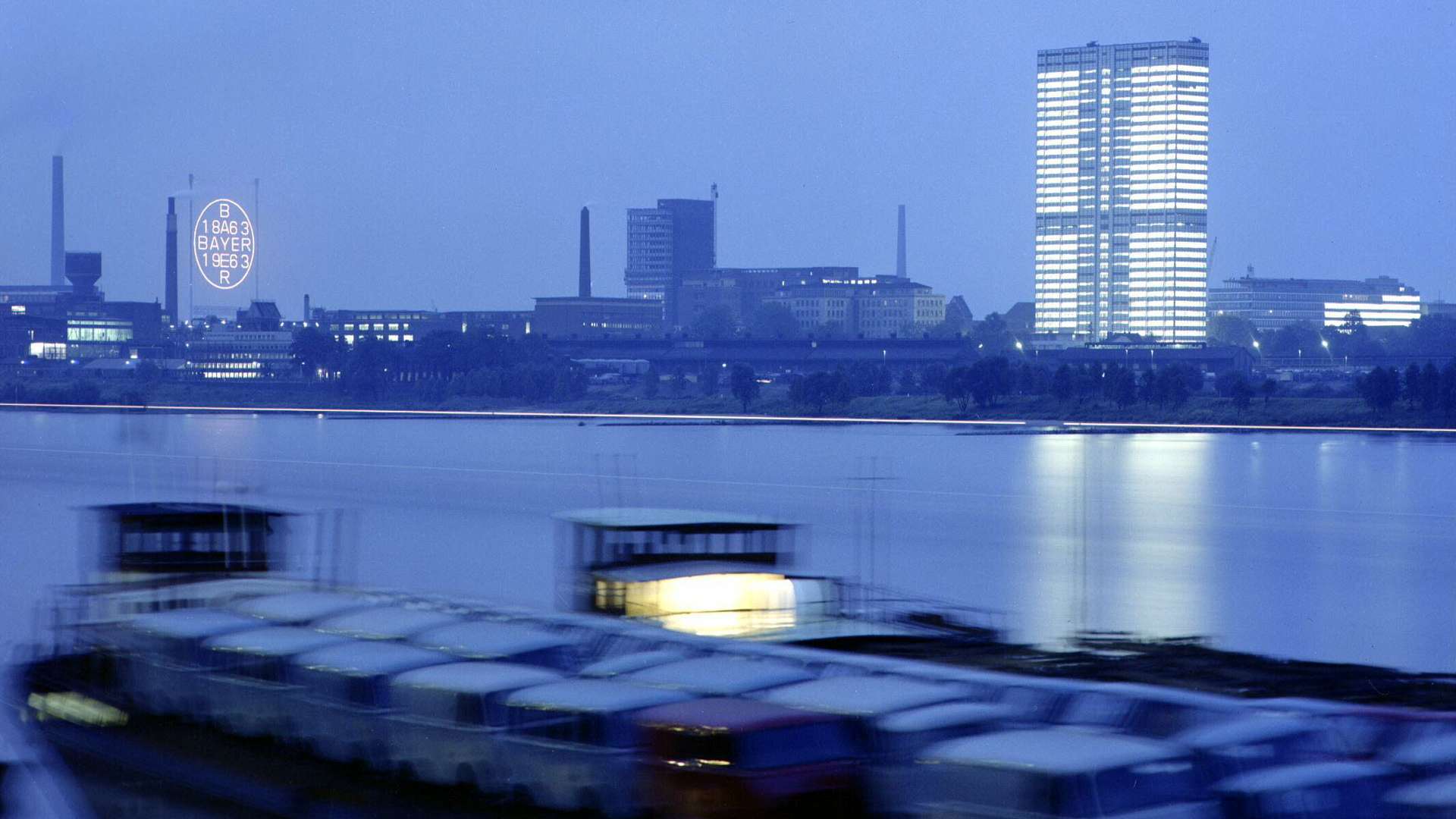
The Leverkusen landmark was illuminated again in its current form on 2 September 1958. It is somewhat smaller than its predecessor and does not flash any more. The diameter is now only 51 metres and it has a circumference of 160 metres.
A fan-based campaign to save our landmark was launched n 2007 after Bayer AG wanted to pull it down. Instead the company wanted to project the cross as digital illuminated advertising on the Bayer office tower block. 21,000 people signed up to keep the Bayer Cross where it is. I hope it will continue to shine for a long time.

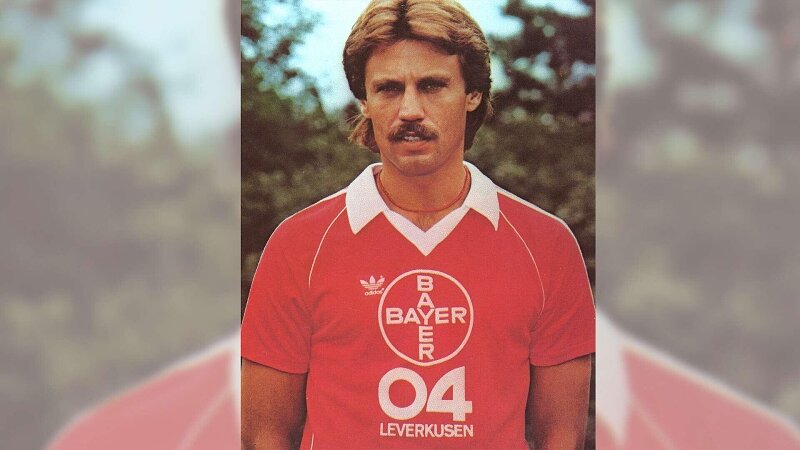
Harry Gniech was born on 14 October 1951 in Leverkusen-Schlebusch. At the age of six, he joined SV Bayer 04, initially in the athletics section. The boy actually wanted to play football, but was only allowed to switch to the football team when he turned nine. Harry quickly established himself as a playmaker in midfield. Despite his talent, the path from the youth team to the first-team squad was a long one back then. In the 1973–74 season, his former U19 coach, Friedhelm Renno – who was by then in charge of Bayer 04’s first team – selected him for his first match with the professional squad.
Show more
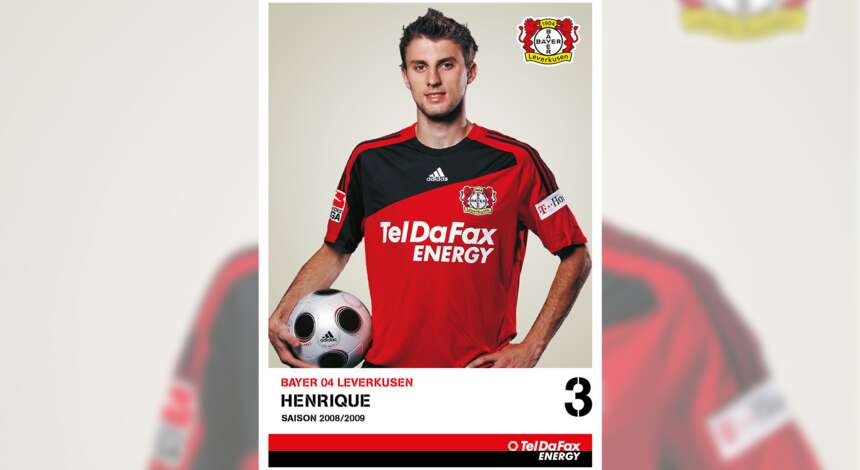
Henrique Adriano Buss, known as Henrique, was born on 14 October 1986 in Marechal Cândido Rondon, a town in the Brazilian state of Paraná. At the age of 13, he joined Coritiba FC and made the step up to the first team in 2006. Henrique helped the team gain promotion to the Brazilian top flight and then moved on to Palmeiras FC. After just five matches for his new club, the 1.85-metre-tall centre-back was signed by Barcelona in 2008 for ten million euros and loaned to Bayer 04 for one year for a fee of €400,000.
Show more
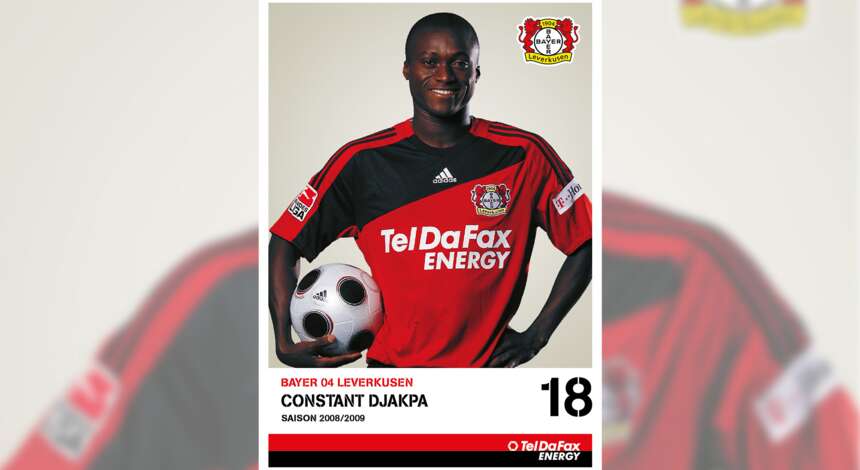
Constant Djakpa was born on 17 October 1986 in Abidjan, Ivory Coast. He started playing football at the age of five. He took his first steps in professional football at Stella Club d’Adjamé, before moving on to Sogndal IL in Norway. His path eventually led him to Germany via the Romanian club Pandurii Târgu Jiu.
Show more
In this video you can see impressive and important goals in the history of Bayer 04 from the month of October. It's not always about the beauty of the goals, but also a reminder of special games and players.
Show more
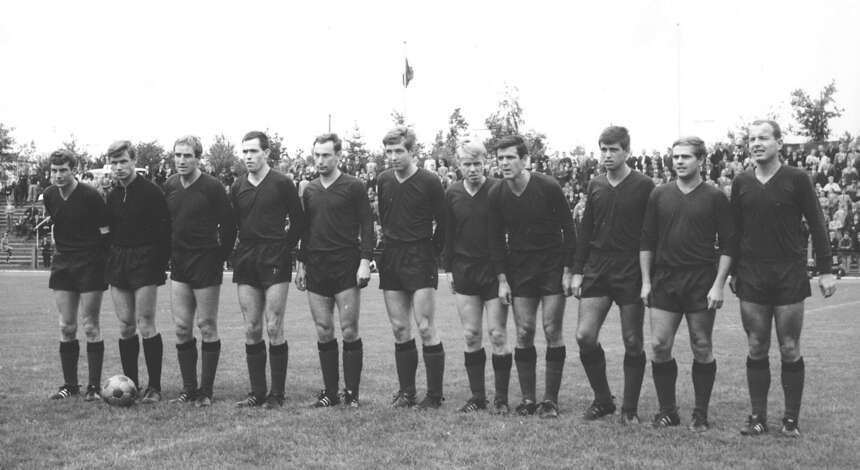
In the first week of October 1966, professional footballers decided to take an unusual step – they went on strike. They felt compelled to resort to this action, which was relatively uncommon until then, to give greater weight to their demands for fair pay. They reasoned that, with three draws, they were entitled to a bonus; at the very least, a points bonus of 75 Deutschmarks that was agreed before the start of the season.
Show more